11 November 2026
Where to Find a Trendy Bar NYC Without the Stress
Presented by @hectorlwgd507
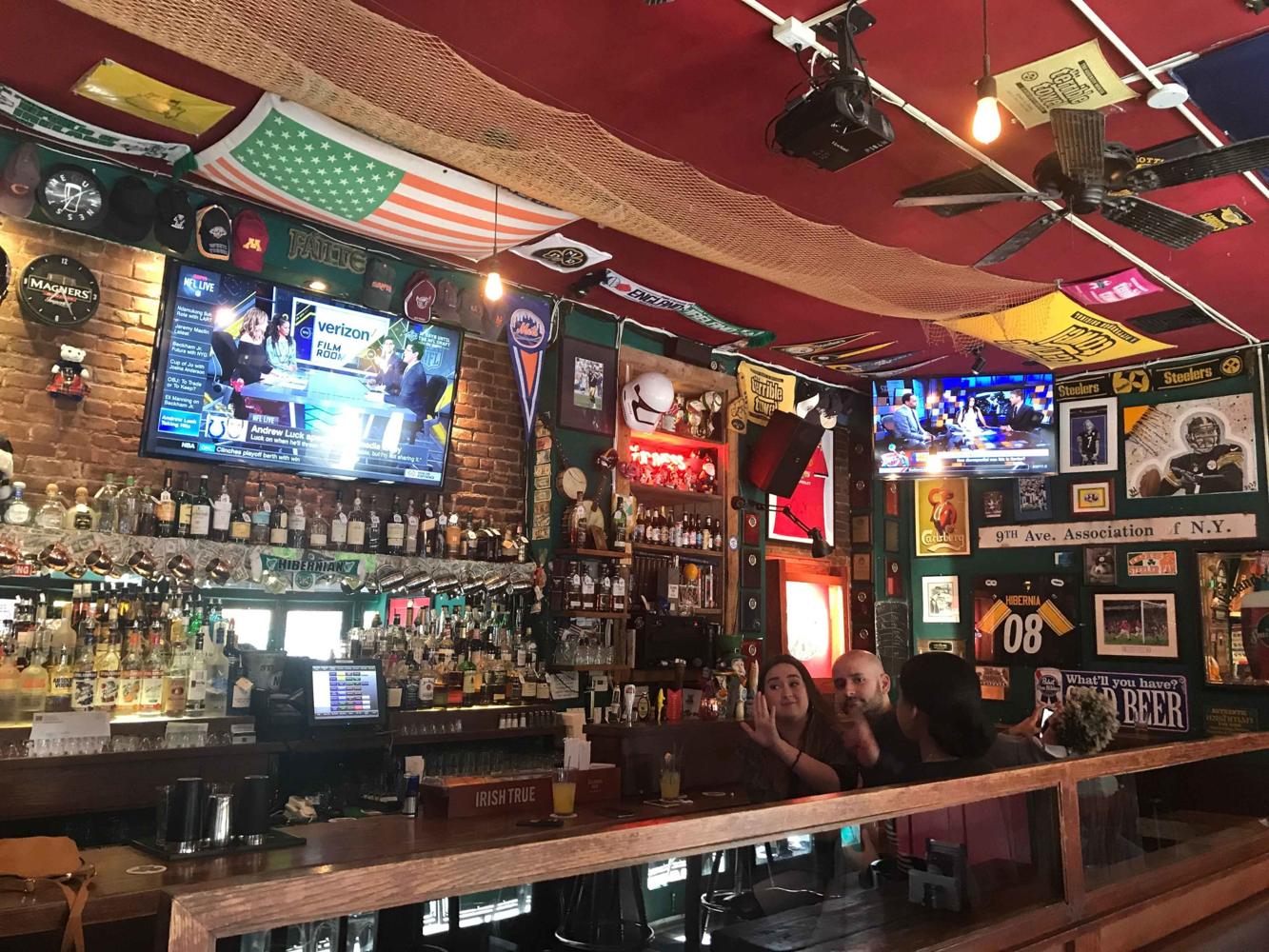
New York has never had a shortage of places to drink. What it does have, in abundance, is friction. Long lines that form before sunset. Reservation systems that disappear the moment they open. Rooms so loud you cannot hear your own order. A hundred "must-visit" spots that look great on a feed and feel exhausting in real life. If you are trying to find a trendy bar NYC offers without signing up for the usual chaos, the trick is not chasing hype. It is learning how the city actually moves.
That distinction matters. People often assume the best night out begins with the newest opening in the West Village or a rooftop with a six-week waitlist. In practice, the smartest nights come from choosing a place that fits your mood, your group size, and the hour you plan to show up. The city rewards timing and judgment more than pure ambition. A bar can be stylish, current, and genuinely fun without requiring a strategy document.
After enough evenings spent navigating downtown Manhattan, Brooklyn side streets, hotel bars in Midtown, and neighborhood spots that became fashionable almost by accident, a pattern emerges. The easiest way to enjoy a trendy bar in New York is to stop asking, "Where is everyone going?" And start asking, "Where will I still want to be 45 minutes after I arrive?"
Trendy does not have to mean difficult
The word "trendy" causes half the trouble. For some people, it means candlelit interiors, natural wine, and a crowd in expensive denim. For others, it means excellent design, a creative cocktail list, and enough energy in the room that the night feels alive. Those are very different experiences, and confusing them leads people into bars they never really wanted.
A well-chosen spot should feel current, not performative. It should have a point of view, whether that comes through the music, the drinks program, the lighting, or the neighborhood crowd. It should also make basic hospitality possible. There is a difference between a place being popular and a place being punishing. New Yorkers who go out often learn to spot that difference fast.
One easy tell is whether a bar seems built for repeat visits or just for first impressions. If every corner is optimized for photos but there is nowhere comfortable to stand with a drink, expect fatigue to set in quickly. If the menu is full of novelty ingredients but the staff can still make a clean martini without drama, that is usually a better sign. Trendiness wears well when it sits on top of competence.
Start with the neighborhood, not the name
If you want less stress, the most practical move is choosing the area before choosing the bar. New York nights get harder the moment you crisscross the city chasing a vague idea of fun. A trend-forward place ten minutes from your dinner reservation or close to your train home will almost always beat a more famous option that takes forty extra minutes and a crowded transfer to reach.
The East Village remains a reliable hunting ground for bars with personality, but the trade-off is density. A short walk can pass six places that all seem viable, which makes it tempting to keep moving and never commit. The Lower East Side has a similar effect, though often with more edge and a later-night crowd. In both neighborhoods, showing up early helps more than people think. Arriving at 6:30 or 7:00 p.m. Can turn a place that feels impossible at 9:30 into an easy, relaxed first round.
Williamsburg still delivers for people who want atmosphere and stylish rooms, but it also carries a little expectation tax. When a neighborhood becomes shorthand for taste, the best-known bars get swarmed by visitors trying to decode the scene. The quieter move is to look one or two blocks off the main commercial strips. The difference in comfort can be dramatic, even when the design, drinks, and crowd are just as strong.
Greenpoint often offers a better balance. You still get polished cocktail programs and good interiors, but the pace can feel less aggressive. In Manhattan, the Flatiron, NoMad, and pockets of the Lower East Side can be excellent if you like a more grown-up version of trendy, meaning places where people are dressed well and the drinks are serious, but you are not competing with a club line.
There is also no shame in the hotel bar strategy. Some of the easiest stylish nights in New York happen in hotel bars that locals forget to claim. The best ones have professional service, strong beverage programs, and enough seating to absorb a sudden rush. They can be expensive, yes, but the premium sometimes buys exactly what stressed-out bar hoppers are missing, which is breathing room.
Timing is the whole game
Most people try to solve New York nightlife with location. The better lever is time. A popular bar at the wrong hour feels miserable. The same bar ninety minutes earlier can feel effortless.
Thursday through Saturday, the danger zone usually begins around 8:30 p.m. And thickens fast after 9:00. By then, dinner crowds are spilling out, dates are arriving, and every group chat has finally agreed on somewhere. If you want a seat, or at least a civilized patch of standing room, there are two clean options. Go early enough that you are ahead of the wave, or go late enough that the first wave has burnt off.
That second tactic is underrated. Some fashionable bars are a zoo from 9:00 to 11:00 and unexpectedly pleasant after midnight, especially if they are not attached to a dance floor. Others are at their best in the narrow window between happy hour and prime time, when the room has energy but not strain. You only learn those patterns by paying attention, yet once you know them, a supposedly difficult spot becomes easy to enjoy.
Weather changes the equation too. The first warm nights of spring and the early stretch of fall create artificial scarcity. Everyone wants a sidewalk table, a courtyard, a rooftop, anything outdoors. During those windows, the casual spontaneous approach breaks down. Midweek becomes your friend. So does accepting that a stylish indoor room with air conditioning in July may be more pleasant than a famous terrace where every drink comes with a thirty-minute wait.
The best trendy bars make room for different kinds of nights
A lot of stress comes from trying to fit every occasion into one type of venue. Not every gathering wants the same bar. A first date needs one set of conditions. A catch-up with an old friend needs another. A birthday with six people needs something else entirely. The bars that travel well across all those situations are rare.
For dates, low-light cocktail bars with manageable music still win. You want enough atmosphere to feel special, but not so much volume that conversation turns into lip-reading. Some of the most attractive rooms in the city are surprisingly bad for actual connection. If you are leaning in all night just to discuss where you both grew up, the design has failed.
For small groups, the key variable is not just seating, it is circulation. Can people come and go from the bar without breaking the whole formation? Is there room for one late arrival to join without forcing a reorganization of the furniture? New York bars are often physically tight, and a place that feels chic for two can become claustrophobic for five.
For solo visits or one-drink stops, look for bars where the staff controls the room well. A competent host stand, a thoughtful bar team, and a visible sense of order all matter. The most experienced drinkers in the city know that hospitality is its own aesthetic. A place can have marble counters and custom lighting, but if no one seems to know who is waiting for what, stress arrives quickly.
Read the room before you order
This sounds simple, but it saves time and disappointment. Walk in and give the room thirty seconds. Are people nursing careful cocktails or taking quick shots? Are tables turning or camping? Does the music suggest another round, or does it say finish up and head somewhere louder? Those clues tell you whether the bar matches the evening you had in mind.
You can often tell within one glance whether a place is "trendy" in the flattering sense or just overbooked. In strong rooms, the crowd looks at ease. Drinks land steadily. No one seems surprised by how busy it is. In weaker ones, everyone is negotiating space, waving to get attention, or guarding a tiny ledge like beachfront property.
Menu design tells a story too. Shorter lists are often a good sign, especially if the choices feel intentional. Ten excellent cocktails beat twenty-five muddled concepts every time. If the wine list is edited with confidence and the beer options are not an afterthought, that usually indicates broader care. Trendy bars that know what they are doing tend to be specific, not sprawling.
Reservations are useful, but not sacred
There was a period when grabbing a reservation felt like the only way to enjoy New York nightlife without hassle. That is less true than people think. Reservations matter most for rooftop bars, destination hotel lounges, and places that blur the line between cocktail bar and seated restaurant. Outside those categories, they help, but they are not always necessary.
What matters more is understanding how the venue allocates space. Some bars keep a meaningful number of seats for walk-ins. Others technically accept walk-ins but leave them standing for an hour with false hope. If a place is popular online, calling it directly can be more revealing than scrolling comment sections. A quick, polite question about when walk-ins usually have the best luck can save you an entire night.
There is also a useful middle path, especially in Manhattan. Reserve an early dinner nearby, then walk into a bar around 8:15 before the night peaks. Or begin with a drink at a handsome, lower-stakes spot, then move later if the mood is right. People often build bar nights backward, starting with the most difficult destination and trying to recover from the logistics. It is easier to build momentum than to survive frustration.
A few signs you found the right place
When people talk about a great bar NYC experience, they often mention the obvious things first, the drinks, the music, the crowd. Fair enough. But the Bar NYC deeper markers are subtler, and they tend to be what separate a night that feels smooth from one that feels like urban endurance training.
- You can place an order without elbowing through a wall of bodies.
- The lighting flatters the room without making the menu unreadable.
- The staff moves with purpose, even when the bar is full.
- The music shapes the mood rather than dominating it.
- You leave thinking about returning, not just checking it off.
Those details sound small until you spend an evening without them. Then they become everything.
The social media trap
No conversation about trendy New York bars is complete without mentioning how dramatically social media distorts expectations. A room may look intimate online and feel packed shoulder to shoulder in person. A cocktail may be photogenic but wildly impractical to drink. Some places are marketed through a single perfect angle that hides the crowded entrance, the cramped seating, or the fact that half the room is standing awkwardly behind banquettes that were never designed for public traffic.
This does not mean you should ignore online signals. They can still help identify strong design, a clear point of view, or a new opening worth watching. But they work best as a filter, not a final decision-maker. If a place only looks appealing when cropped tightly and color-corrected, be skeptical. If multiple people mention calm service, manageable waits, or a room that feels better than expected, pay attention.
The same caution applies to trend roundups. Lists of hot bars are often several months behind the real rhythm of the city. By the time a place is declared the one spot everyone has to visit, it may already be in its most difficult phase, crowded enough to be annoying but no longer novel enough to justify the inconvenience. The sweet spot is often the bar just adjacent to the hype cycle, known enough to attract a good crowd, not so overexposed that every out-of-town weekend itinerary includes it.
Spend strategically, not extravagantly
Stress has a way of making people overspend. You wait for a table somewhere fashionable, get annoyed, then start ordering expensive rounds to justify the ordeal. A better approach is to think in terms of value per hour, not just price per drink.
A cocktail in New York can run anywhere from the mid-teens to the mid-twenties in a stylish room, sometimes more in hotels or rooftops. That range alone does not tell you much. A $24 drink in a calm bar with excellent service, generous pacing, and a seat you can actually keep may feel like money well spent. A $19 drink in a chaotic room where you are jostled for ninety minutes may feel like a bad bargain.
This is one reason neighborhood bars with design ambition often outperform famous destinations. They may not have the same aura online, but they let you enjoy the city instead of battling it. The drinks are often just as good. Sometimes better. Trendiness without comfort is expensive in more ways than one.
If you hate lines, rethink what success looks like
A surprising number of people make themselves miserable trying to reproduce somebody else's ideal night. They hear that a certain bar is impossible to get into and decide impossibility itself must be proof of quality. New York has always been vulnerable to that logic. Scarcity becomes status, then status becomes the whole point.
The more sustainable move is deciding what you actually want from the evening. Maybe it is a beautifully made martini in a room with good music and a crowd that feels current. Maybe it is natural wine and conversation somewhere downtown where the night can continue naturally if Bar NYC you want it to. Maybe it is one excellent drink in a polished bar before going home early. Once the goal becomes clear, the city opens up.
Here is a practical framework that works unusually well:
- Pick a neighborhood with at least three viable bars within walking distance.
- Arrive earlier than your instinct tells you to, especially on weekends.
- Favor places with a clear identity over places famous only for being hard to enter.
- Keep one backup in mind that is stylish but slightly less obvious.
- Leave the moment the room stops serving your night.
That last point is the one most people ignore. Sometimes the least stressful move is knowing when to cash out and head elsewhere.
What experienced New Yorkers do differently
People who seem to glide through the city's nightlife usually are not luckier. They are making small, practical choices that compound. They text one or two friends instead of trying to mobilize eight. They avoid the hottest place at the hottest hour. They keep track of bars that perform well on different nights of the week. They understand that a room can be excellent on Wednesday and unbearable on Saturday.
They also value consistency. The city is full of bars that are exciting once and disappointing twice. The seasoned crowd tends to return to places that hit a high standard repeatedly. Not necessarily the most famous bar, not necessarily the cheapest, but the one where the welcome is steady, the drinks are balanced, and the room knows what it is doing.
There is a kind of relief in accepting that a great night out in New York does not need to be maximal. It needs to feel easy once it begins. That may mean a compact cocktail bar in the East Village that fills slowly, a softly lit wine bar in Brooklyn with just enough buzz, or a hotel lounge where the soundtrack is thoughtful and no one is rushing you through your second drink. Stylish does not have to mean frantic.
The calmest path to a good night
Finding a trendy bar NYC offers without the stress is less about secret addresses and more about perspective. Go where taste and logistics overlap. Prioritize bars that are designed for people, not just attention. Use timing as a tool. Let the neighborhood work for you. Trust the places that feel composed when they are busy, because that quality is rarely accidental.
New York will always have lines, scenes, and bars that seem to run on pure scarcity. If that appeals to you, fine. But if what you want is a genuinely good evening in a room that feels current and well run, the city has plenty to offer. You just have to stop treating hype like a compass. The best nights are rarely the hardest to begin.
Hibernia Bar
401 W 50th St
New York, NY 10019
(212) 969-9703
FAQ About Bar NYC
What is there to do in Hell's Kitchen, NYC?
Explore the restaurants and bars along Ninth Avenue, catch a Broadway show nearby, or visit the Intrepid Museum on the Hudson River. Hibernia Bar is at West 50th Street and Ninth Avenue, a convenient stop before or after a show.
What are some bars in New York City that serve good food?
Hibernia Bar in Hell's Kitchen serves wings, burgers, fish and chips, and shepherd's pie. Its kitchen lists a 2 a.m. closing time, which makes it an option for dinner after a show or a game.
How far is Hell's Kitchen from Times Square?
Hell's Kitchen is just west of Times Square. From Broadway and West 45th Street, Hibernia Bar is roughly 0.6 miles away, or about a 12-minute walk depending on crowds.