11 November 2026
Bar NYC Guide to Signature Drinks and House Specials
Presented by @hectorlwgd507
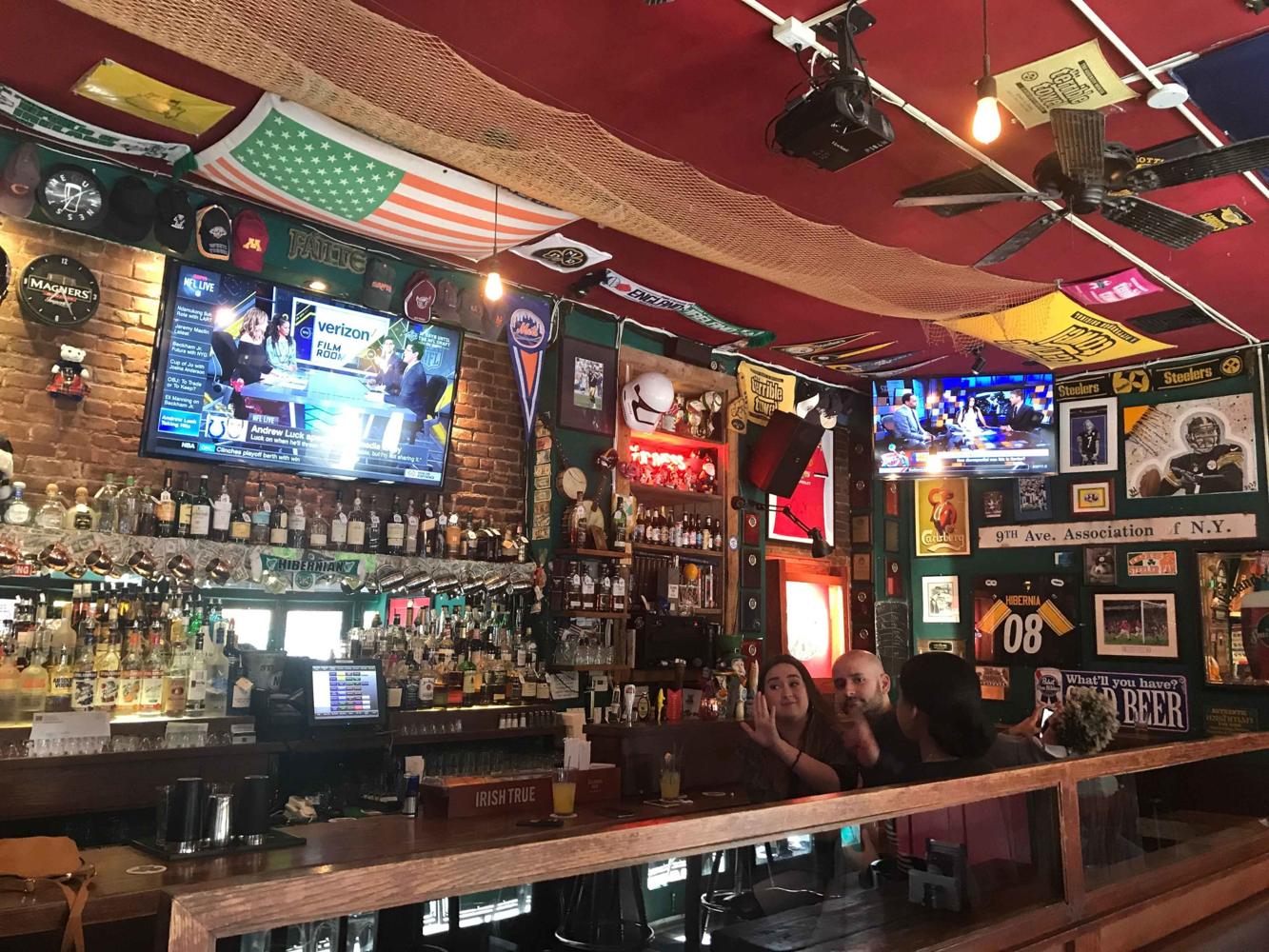
New York has never had a single bar culture. It has dozens, often stacked on the same block. A narrow East Village cocktail room with candlelight and a two-page menu is not trying to do the same job as a Midtown hotel bar, a neighborhood Irish pub in Woodside, or a rooftop in Williamsburg where the first round lands on Instagram before anyone takes a sip. That variety is exactly what makes a Bar NYC crawl so rewarding, and also what makes it confusing for people trying to order well.
Signature drinks and house specials can be the best shortcut into a place’s identity. They tell you what the bartenders care about, how the room wants to be remembered, and whether the program is built around technique, nostalgia, seasonality, value, or speed. At their best, they are not just menu filler. They are the drinks that survive menu rewrites, win regulars, and quietly shape a bar’s reputation.
If you want to navigate Bar NYC culture with some confidence, it helps to know how to read those drinks before you order them. A “signature” can mean a carefully engineered original with house-made tinctures, or a lightly tweaked Margarita dressed up with a better garnish and a clever name. A “house special” might be a bargain happy-hour Martini, a punch only available on Thursdays, or a frozen drink that appears every summer and disappears the first cold weekend in October. The terms overlap, but they are not always the same thing.
What a signature drink really says about a New York bar
In New York, menu space is expensive in every sense. The physical menu needs to move fast, the bartenders need to execute under pressure, and the concept needs to read clearly to guests who often decide what they think of a place in under ten minutes. Because of that, a signature drink usually has to do several jobs at once.
First, it has to fit the room. A polished Art Deco bar near Bryant Park might lean into stirred whiskey drinks, clarified milk punch, or a Martini variation served ice-cold in cut crystal. A Lower East Side spot with louder music might stake its identity on bright highballs, tropical riffs, or a spicy tequila drink that cuts through the energy of the room. The drink needs to belong there.
Second, it has to be repeatable. Some of the most interesting one-off cocktails never become signatures because they are too slow, too delicate, or too dependent on one bartender’s personal touch. In a packed New York service, consistency matters. If a drink needs twelve fussy motions and a five-minute garnish build, it will either change or disappear.
Third, it has to give people a reason to come back. This is where the best bars separate themselves. Anyone can make a strong first impression with smoke, unusual glassware, or a flaming citrus peel. It is harder to create a house drink that still tastes good on the third visit, and even harder to make one that regulars start recommending by name.
You can often spot a serious signature by the way staff talks about it. If the bartender can explain why a split base was chosen, why the acid balance lands where it does, or why the drink is shaken rather than thrown, that usually signals intention. If the answer sounds vague, the drink may still be pleasant, but it may not be central to the bar’s identity.
The categories you will see most often
Most signature programs in Bar NYC settings fall into a few broad patterns, even if the branding changes from place to place. Understanding those patterns helps you order more intelligently.
The first pattern is the house classic. This is a known drink, maybe a Negroni, Martini, Old Fashioned, Manhattan, Daiquiri, or Margarita, pushed a little off center. The bar may change the vermouth blend, switch the base spirit, add saline, adjust dilution style, or use a custom tincture. Good bars do this carefully. Weak bars do it for novelty alone. A smart tweak should sharpen the drink’s purpose, not just make it stranger.
The second pattern is the seasonal original. New York menus change constantly because produce shifts, customer mood shifts, and frankly, bartenders get bored. In spring you will see snap pea, rhubarb, strawberry, elderflower, and softer herb notes. Summer brings cucumber, melon, stone fruit, frozen formats, and lower-proof spritzes. Fall loves apple, pear, baking spice, amaro, and richer whiskey builds. Winter often leans darker, with coffee, cacao, fortified wine, brown spirits, and warm spice. Seasonal originals can be excellent, but they vary more in polish than staples do.
The third pattern is the value special. This matters more than many visitors realize. In a city where a cocktail can easily push past twenty dollars before tax and tip, bars use house specials to create traffic at slower hours or differentiate themselves in crowded neighborhoods. A Martini night, a discounted highball, a boilermaker combo, or a punch service for two can all count as house specials. These drinks are less about theater and more about utility. The best ones still show care.
The fourth pattern is the format-driven signature. Here, the hook is not just the flavor. It is how the drink arrives. Think freezer Martinis, draft cocktails, mini serves, shareable punches, bottled highballs, Japanese-style precision pours, or shaved-ice presentations. New York bartenders like formats because they help solve practical problems. A freezer Martini can be colder and faster. A draft Negroni can be more consistent during a rush. A bottled clarified cocktail can travel well across a dining room.
How to read a cocktail menu without overthinking it
You do not need to decode every ingredient to choose well, but it helps to read beyond the title. Names in New York can be playful, obscure, ironic, literary, or intentionally unhelpful. The useful information is almost always in the structure underneath.
Look at the base spirit first. That tells you where the drink starts emotionally as much as technically. Gin usually points to herbal lift and sharper edges. Tequila and mezcal signal brightness, salinity, smoke, or savory notes. Rum can mean anything from dry and grassy to rich and dessert-like, so it needs the most context. Whiskey tends to telegraph weight and warmth. Vodka is often a texture choice more than a flavor one.
Then look for the supporting framework. Citrus plus sugar usually means a sour family drink with brightness and energy. Vermouth, sherry, amaro, or liqueur with little or no citrus suggests something stirred, layered, and slower. Soda or tonic hints at length and refreshment. Egg white, cream, coconut, or milk clarification points to body and texture. Bitters and tinctures often signal finishing detail rather than structural power, though in some drinks they become a major voice.
If you are trying a house special at a Bar NYC location you have never visited, one practical move is to ask a short, targeted question rather than a broad one. “Is this spirit-forward or bright?” will get you a better answer than “What’s good?” Bartenders can work with your palate if you give them a lane.
Signature drinks worth seeking by style, not by hype
Specific menus change too quickly in New York for any static guide to stay precise for long, but styles endure. If you want the best odds of landing on a memorable house drink, certain categories consistently perform well across the city.
Martini riffs remain one of New York’s strongest suits. The city has always had a serious Martini culture, and bars here understand the details that make one version compelling and another forgettable. House Martinis may use split vermouths, savory distillates, olive oil washing, onion brine, seaweed tincture, or freezer service. The best ones are cold enough to tighten the drink, not deaden it. They arrive with a clean line and no apology.
Negroni and Boulevardier variations also travel well in Bar NYC programs because they can absorb personality without collapsing. A little coffee bitterness, a softer vermouth, a brighter bitter aperitivo, or a barrel-aged component can all shift the drink while keeping its backbone. These are often safe bets in bars that skew serious and dimly lit.
Agave signatures have grown far beyond the old spicy Margarita template. New York bartenders now treat tequila and mezcal with more nuance, often pairing them with saline, fruit at restrained sweetness, bitter greens, savory peppers, or low-proof wine modifiers. When these drinks are balanced, they can be some of the most complete menu items in the city, vivid without being exhausting.
Highballs deserve more respect than they often get. A finely carbonated Scotch highball, a shochu and soda build with citrus oil, or a gin and tonic sharpened with herbs and controlled dilution can be a benchmark of bartending discipline. In a city where many people order a second drink before finishing the first, highballs often reveal whether a bar understands restraint.
Tropical and tiki-adjacent originals are another bright spot, especially in places that know how to manage sweetness. The difference between a great tropical drink and a clumsy one is not garnish size. It is acid control, rum selection, and whether the drink finishes clean. New York has plenty of bars that get this right.
House specials are not always cheaper, they are often smarter
Guests tend to assume a house special exists to save money. Sometimes that is true. Often it is only part of the story.
A house special may be designed around inventory that the bar can source efficiently. It may use a batch format that improves speed at peak times. It may showcase a relationship with a distillery or local producer. It may simply be the drink the room sells best before theater crowds, after office happy hours, or during late-night service. None of this makes the drink less worthwhile. In many cases, it makes it more reliable.
I have seen guests skip a well-priced house punch because they assumed the expensive signature would be more serious. Then they watched half the room order that punch all night. That pattern is common in New York. Popularity does not prove quality, but in a city with endless alternatives, a drink that regulars keep reordering usually earned its place.
There is also a practical side to specials that seasoned drinkers appreciate. Some house cocktails are engineered to be your first drink, not your last. They wake up the palate, settle you into the room, and leave space for a second round. Others are clearly built as final orders, richer, slower, and closer to dessert. Recognizing that rhythm helps more than chasing the bar’s most complicated option.
Price, value, and the quiet math behind ordering well
No honest guide to Bar NYC can ignore pricing. A cocktail in Manhattan, Brooklyn, or parts of Queens can range widely depending on neighborhood, concept, ingredients, and service style. The upper end is no longer surprising. What matters is whether the drink earns its cost.
Value usually shows up in one of four ways:
- Precision, meaning the drink is balanced, cold, and technically clean.
- Distinctiveness, meaning it tastes like this bar and not any bar.
- Generosity, whether in pour, complexity, or format.
- Setting, because service, glassware, and atmosphere are part of what you are paying for.
That does not mean the priciest drink is the best one on the menu. Sometimes the smartest order is a house special that the staff can make with speed and confidence. Sometimes the most expensive option is there because one ingredient is costly, not because the drink is especially enjoyable. Champagne cocktails are a classic example. They can be lovely, but they can also become budget inflation in a flute.
If you care about value, watch what experienced staff order after shift or on a day off. It is rarely the fussiest thing on the card.
Neighborhoods shape the glass
Ordering in New York becomes easier when you understand that neighborhoods influence drink style almost as much Bar NYC as bar concepts do. Not rigidly, but enough to matter.
Midtown bars often cater to business traffic, theater crowds, and hotel guests. Their signature drinks tend to be polished, legible, and fast. You will find strong classic foundations here, especially Martinis, Manhattans, and Champagne-leaning celebratory drinks. The best Midtown rooms deliver consistency under pressure, which is harder than it looks.
Downtown programs usually have more latitude for experimentation. That can mean unusual ingredients, conceptual menus, lower-proof sections, or a heavier use of savory and bitter notes. Some of the city’s most exciting house specials appear here, though not every experiment lands. If you enjoy trying something unfamiliar, downtown is forgiving terrain.
Brooklyn often excels at atmosphere-driven drinking. Menus may favor wine-friendly cocktails, agave drinks, spritzes, freezer drinks, and seasonal originals that feel less formal than Manhattan’s old-guard rooms. The best bars still have technical rigor, but they may wear it more casually.
Queens is broad enough to resist summary, but its strength often lies in neighborhood specificity. Drinks can feel less performative and more rooted in the actual people who return every week. In the right Queens bar, a house special can feel like part of community memory rather than a marketing move.
When to trust the bartender over the menu
Some nights, the menu is enough. Other nights, the best drink is not written down.
A capable bartender can steer you toward the right house special if you give useful information. Say what you usually drink, what you want to avoid, and how strong you want to go. If you hate sweet cocktails, say so directly. If you want something spirit-forward but not too bitter, that is actionable. If you want a signature that captures the bar’s style, ask exactly that.
There is one caveat. Timing matters. At 6:00 p.m., you may get a detailed conversation. At 9:30 p.m. Three-deep at the bar, ask cleaner questions. New York bartenders respect concise guests. “Between these two, which is drier?” is a good question. “Tell me your whole philosophy” is not.
When a bartender gently redirects you away from a menu item, pay attention. Sometimes that drink is about to rotate off. Sometimes the balance is not where they want it. Sometimes it is simply not suited to your preferences. A good room would rather place the right drink than force the featured one.
A few common mistakes people make with house specials
Not every miss is the bar’s fault. Guests often sabotage their own experience in predictable ways.
The first is ordering against the room. If a bar is clearly built around aperitivo-style drinks, bitter spritzes, and lighter signatures, forcing a heavy smoked bourbon creation may lead to disappointment even if the bar can technically make one. Read the room before you read the back bar.
The second is ignoring dilution and pace. Strong stirred drinks shine when sipped slowly. Tall house highballs often show best early, before ice fatigue changes the texture. Frozen specials have a short ideal window. Timing affects quality more than many guests realize.
The third is chasing novelty over fit. A dramatic ingredient list does not guarantee a memorable drink. Some of the best signatures in New York sound almost plain on paper. Then they arrive balanced, cold, and exact, which matters more than a cloud of aromatic smoke.
The fourth is assuming every “signature” is the bartender’s proudest work. Some signature sections exist because every menu needs one. If you suspect that, look at what other guests are ordering, or ask what has stayed on the menu the longest. That question often reveals the true house favorite.
What makes a house drink memorable enough to return for
After years of drinking around New York, the most memorable house cocktails tend to share a trait that is easy to miss. They know exactly what they are trying to do. They are not trying to impress you in six different ways at once.
A great signature drink has shape. It opens clearly, develops with intention, and finishes in a way that makes sense. The garnish supports that shape. The glass supports that shape. The temperature, dilution, and texture support that Bar NYC shape. Even a playful house special should feel coherent.
That is why some drinks become part of a city’s private drinking map. People remember not just the flavor, but the moment it fit. The first sharp, icy Martini after a brutal August walk. The low-lit amaro highball before a downtown reservation. The quietly excellent rum punch that reset a rainy evening in Brooklyn. The discounted oyster-and-cocktail pairing at a neighborhood place where everyone suddenly decided to stay for one more round.
Those are the experiences people actually return for. Not “content.” Not menu theater. Not ingredient trivia. A drink that suits the room, the hour, and the person holding it.
How to use this guide on your next Bar NYC night out
Treat the menu as a map, not a test. If the house is known for classics, start there and see how they bend them. If the room feels seasonal and loose, try the original that uses one or two ingredients you already trust. If the special is tied to a specific night or format, do not dismiss it as a gimmick. Sometimes that is where the bar’s confidence lives.
If you are visiting more than one place, vary your orders by role rather than by ingredient. Start with something bright or sparkling. Move into the house signature that defines the room. Finish with a slower stirred drink, a fortified option, or a concise highball if you still want clarity. That arc tends to serve both your palate and your stamina better than ordering three intense drinks in a row.
And if one drink misses, do not write off the entire bar. New York menus are living documents. Staff changes, seasons turn, and house specials evolve. A good Bar NYC experience is not about ordering perfectly every time. It is about learning how to spot care, intention, and fit.
Once you know how to read those signals, signature drinks stop being menu decoration. They become one of the most enjoyable ways to understand a bar, and by extension, the city around it.
Hibernia Bar
401 W 50th St
New York, NY 10019
(212) 969-9703
FAQ About Bar NYC
What is there to do in Hell's Kitchen, NYC?
Explore the restaurants and bars along Ninth Avenue, catch a Broadway show nearby, or visit the Intrepid Museum on the Hudson River. Hibernia Bar is at West 50th Street and Ninth Avenue, a convenient stop before or after a show.
What are some bars in New York City that serve good food?
Hibernia Bar in Hell's Kitchen serves wings, burgers, fish and chips, and shepherd's pie. Its kitchen lists a 2 a.m. closing time, which makes it an option for dinner after a show or a game.
How far is Hell's Kitchen from Times Square?
Hell's Kitchen is just west of Times Square. From Broadway and West 45th Street, Hibernia Bar is roughly 0.6 miles away, or about a 12-minute walk depending on crowds.