11 November 2026
Luxury Bar NYC Experiences Worth the Splurge
Presented by @hectorlwgd507
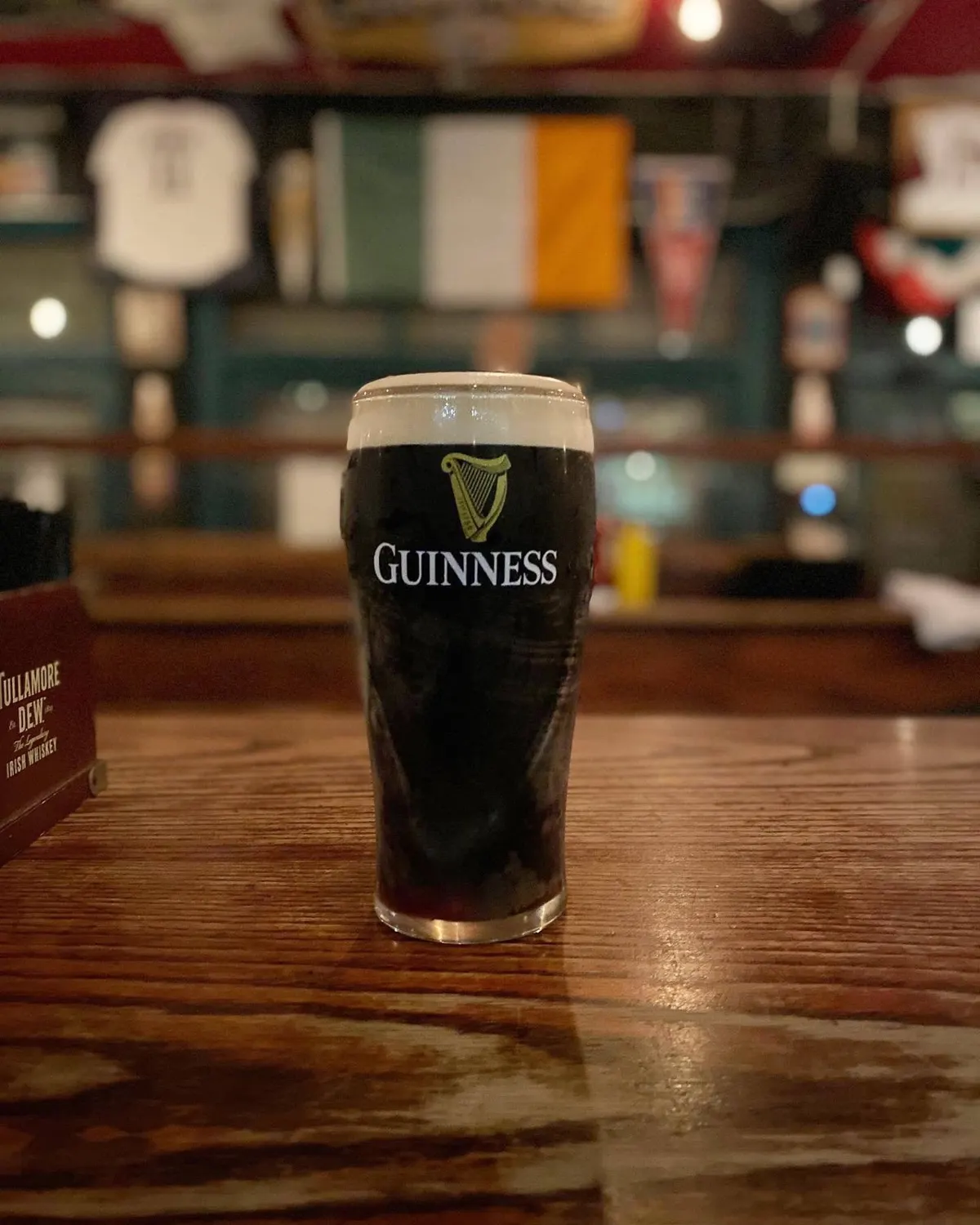
New York has never had trouble charging a premium for a good night out. The city can put a velvet rope and a dim lamp around almost anything and call it luxury. Still, every now and then, a place earns the tariff. You feel it in the first sip, in the confidence of the room, in the way the staff reads the table before anyone has to ask for anything. At that level, you are not paying only for liquor or square footage. You are paying for restraint, timing, privacy, and the kind of polish that takes years to build.
That distinction matters in a city where a mediocre cocktail can easily cost $24. If you are going to splurge, it helps to know what separates a genuinely memorable luxury bar experience from a branded photo opportunity with expensive ice. The best high end spots in New York understand that wealthy guests are not always looking for flash. Often they want comfort, precision, and a room that makes conversation feel easy.
A great Bar NYC experience at the luxury end usually gets a few things right at once. The drinks are technically sound without showing off too much. The food is strong enough that you can stay for a second round without regret. The music supports the mood rather than swallowing it. Most importantly, the room gives you a feeling that is hard to fake, that particular New York blend of privacy and electricity.
What makes a luxury bar feel worth it
The price alone does not make a bar luxurious. Plenty of places in Manhattan charge top dollar while delivering little more than polished marble and a crowded standing area near the entrance. The bars that justify a splurge tend to offer something less tangible but much more valuable: control. The lighting is flattering. The seats are comfortable enough to hold you for two hours. Glassware arrives spotless. A martini lands cold enough to sting the fingertips through the stem.
Service is usually where the difference becomes obvious. In weaker rooms, staff can feel either too casual or too performative. In the best ones, the interaction has a kind of quiet fluency. Your water gets replenished before the glass empties. If you hesitate over the menu, someone helps without launching into a lecture. If you want to linger, nobody pushes the check the moment your drink is finished. That kind of hospitality is expensive to maintain, and when it is done well, you notice.
The luxury tier in New York also tends to reward guests who care about details. Ice quality matters. So does pacing between courses if you order food. So does acoustics, a point many bars overlook. One of the quickest ways to ruin a premium evening is to force people to yell over a playlist that belongs in a nightclub. The city has enough bars where you leave with a sore throat. A luxury room should let you speak in a normal voice.
The grand hotel bar, still one of the city’s best indulgences
For pure old New York glamour, it is hard to beat a great hotel bar. The best ones have a sense of continuity that newer concepts often lack. You walk in and immediately feel part of a longer story. Business deals, first dates, visiting actors, editors coming off deadline, tourists celebrating an anniversary, all of that energy collects in the same room. Done right, a hotel bar feels cosmopolitan rather than anonymous.
A serious hotel bar also has structural advantages. It usually has the budget for deep staffing, strong wine storage, proper glassware, and kitchens that can send out polished small plates late into the evening. That matters more than people admit. Luxury drinking in New York is rarely only about drinking. It is about not having to move. When the room, the drinks, and the food all work together, you settle in and let the night take shape.
The classic order in this setting is often the simplest one. A martini, a Manhattan, a glass of grower Champagne. Not because adventurous drinks are unwelcome, but because these rooms are where standards get stress tested. If a bar can make a cold, balanced martini with proper dilution and no unnecessary flourish, it is usually a good sign. If it cannot, no amount of truffle garnish is going to rescue the experience.
I have found that hotel bars are also the safest splurge when entertaining clients or meeting someone whose tastes you do not know yet. They are designed for range. One person can order a $32 Negroni variation, another can get tea or a very good burger, and nobody feels out of place. That flexibility is part of the luxury.
Skyline rooms and rooftop bars, where the view has to earn its keep
There is a special kind of disappointment unique to New York rooftops. You pay for a reservation, wait through a line, ride an elevator with ten strangers, reach the top, and discover that the view is doing all the work. The cocktails are watered down, the banquettes are packed too tightly, and everyone seems more interested in documenting the room than enjoying it.
But the rooftops that get it right can feel thrilling in a way few other bars can match. New York from above still has power. It reminds even longtime residents why the city seduces people so easily. Towers blink across the river, traffic turns into ribbons of light, and the whole island seems to vibrate under the glass. On a clear night in spring or early fall, that setting can justify a serious spend.
The difference comes down to whether the operators built a real bar or just rented out a view. The stronger rooftop programs have bartenders who understand classic balance, a menu tailored to higher volume without collapsing into sweetness, and enough seating that guests do not feel punished for paying premium prices. They also pay attention to weather and transitions. A smart rooftop has shade in summer, heat in shoulder season, and an indoor option when the wind becomes part of the problem.
If you book one of these places, timing matters. Sunset sounds ideal, and visually it often is, but it is also peak crowd pressure. For a more relaxed experience, I often prefer arriving after the rush, around 8:30 or 9:00, once the first wave has taken its photos and settled. The room usually becomes more elegant as the night deepens and the city outside turns from scenic backdrop into atmosphere.
Hidden cocktail dens, where discretion is the actual luxury
There is another kind of splurge that appeals to people who do not care about being seen at all. New York still does intimate cocktail bars exceptionally well, especially rooms with limited seating, serious bartenders, and a strong point of view. In these spaces, luxury shows up not through scale but through concentration. Every seat matters. Every bottle has a reason to be there. The lighting is low enough to flatter, but not so low that you cannot read the menu.
What you are buying in these bars is attention. A bartender might ask what spirits you usually enjoy and then build from there. If the place is run well, the conversation feels useful rather than theatrical. You end up drinking something that suits your mood instead of a menu item chosen because it had the best name.
These bars are ideal for people who care about craft and want the luxury of focus. They are less useful for large groups and often unforgiving if you arrive late or with the wrong expectations. Four friends trying to turn an intimate cocktail room into a birthday party can ruin the energy for everyone. That is one of the trade-offs. The smaller the room, the more your behavior matters.
When they work, though, these bars deliver the kind of experience people actually remember weeks later. Not just what they drank, but how the night felt. The low soundtrack. The weight of the glass. The bartender who caught a preference after one question. That intimacy can feel more extravagant than any gold leaf garnish.
Pairing luxury drinks with food that deserves the same respect
One of the easiest ways to waste money in a high end bar is to ignore the food program. Plenty of guests will spend freely on drinks and then settle for an afterthought plate that seems designed mainly to keep them ordering more cocktails. The best luxury bars understand that food should reinforce the room’s credibility.
This does not necessarily mean a full dinner menu. Sometimes a short, tightly executed selection is the stronger move. Oysters that arrive properly cold. A tartare with good seasoning and crisp toast. Fried chicken that is actually hot when it reaches the table. A club sandwich in a hotel bar can be a better luxury purchase than a flashy caviar service done without care. Precision wins.
There is also a practical side to this. If you are planning a longer evening, food changes the rhythm and lets you enjoy higher proof drinks without crashing too early. It can turn a quick splurge into a sustained one, which is usually a better value in expensive rooms. New York luxury is expensive enough that you want your spending to buy time, not just novelty.
A strong bar kitchen also opens up pairings that go beyond the obvious. Vintage Champagne with fries is famous for a reason, but there are subtler pleasures. A clean gin martini with oysters. A rye based drink with rich pâté. Sherry with salty snacks. Good bartenders and servers often know these combinations instinctively, and if the room is not too slammed, it is worth asking.
The quiet power of excellent service
People often talk about luxury in terms of visible signals, the architecture, the rare spirits, the size of the check. Yet service remains the category most likely to determine whether a splurge feels smart or embarrassing. A beautiful room with clumsy service can feel oddly cheap. A less showy room with exceptional service can feel expensive in the best sense.
In New York, where pace is part of the identity, the finest service never feels slow. It feels composed. Staff move quickly but without creating panic. They can read whether a table wants guidance, privacy, celebration, or speed. That kind of judgment is not glamorous, but it is a major reason seasoned drinkers return to the same places.
There is also a form of generosity that top bars understand. It might be an off-menu pour suggested because you liked something adjacent. It might be splitting a cocktail between two glasses without making you ask. It might be acknowledging an anniversary with a dessert sent from the kitchen, quietly and without fanfare. These gestures are not guaranteed, nor should they be expected, but they signal confidence. The bar is not just selling products. It is building loyalty.
I once watched a bartender salvage a tense first date at a luxury lounge near Midtown simply by reading the room correctly. He steered the couple away from a loud corner, slowed the cadence of service, and recommended a softer, less spirit forward drink to the nervous half of the pair. Within twenty minutes, the whole table energy changed. That is the kind of practical emotional intelligence that separates service professionals from order takers.
When bottle service makes sense, and when it really does not
Bottle service occupies a strange place in New York luxury culture. At its worst, it is an overpriced exercise in crowd control. Guests pay a steep minimum for a cramped table, a generic vodka, and the privilege of not fighting their way to the bar. At its best, it can buy comfort, privacy, and an evening with a clear home base.
Whether it is worth the splurge depends almost entirely on context. For a couple or a small group who actually want to talk, bottle service in a high energy venue can be poor value unless the table location is excellent. For a larger group celebrating something specific, especially if everyone would be buying premium drinks anyway, it can start to make financial and logistical sense.
If you are weighing the option, think less about status and more about use. Ask how long you can keep the table, where it is positioned, whether mixers and water are included, and what the real all in spend looks like after tax and gratuity. Those details matter more than the champagne brand printed on the menu.
Here are the situations where the splurge tends to be justified:
- You are with a group large enough that individual drink ordering would be chaotic and slow.
- The venue is known for crowding, and a dedicated table materially improves the night.
- The occasion calls for privacy or hosting, such as a milestone birthday or visiting clients.
- The table placement is genuinely good, not an afterthought near a service station.
- Everyone understands the spend before arriving, which prevents awkwardness later.
That last point deserves emphasis. Few things make a luxury night feel less luxurious than the check turning into a negotiation.
Spirits, rarity, and the danger of paying for labels alone
Some of the most expensive bar experiences in New York center on rare whiskey, aged tequila, prestige Champagne, and limited production cognac. This can be thrilling, especially if the bar stores and serves these bottles properly and the staff can speak intelligently about them. A serious back bar is not just decoration. It can be an education.
Still, rarity is one of the easiest areas for guests to overspend without increasing pleasure. There is a meaningful difference between paying more for quality and paying more for story. In blind tastings, even experienced drinkers do not always prefer the most expensive pour. Context changes perception too. A precious whiskey after a rich meal in a loud room may land flatter than a much cheaper bottle in the right setting.
My own rule is simple. Spend aggressively on categories you genuinely notice. If you can tell the difference between a good and exceptional agave spirit, that is where your money belongs. If you mostly want a celebratory mood, you may get more joy from a very good bottle of Champagne and a plate of fries than from a trophy pour of something rare and heavily marketed.
This is where a trusted bartender earns their keep. Good professionals can steer you toward value inside a premium category. They know which bottles are priced for prestige and which ones are priced because they are truly difficult to source or unusually compelling to drink.
Dressing the part, reading the room, and avoiding common mistakes
Luxury bars in New York are more forgiving than they used to be, but they are not all casual free for alls. The dress code may not be printed in rigid terms, yet every room has an expectation. You do not need to look like you are headed to a gala. You do need to look like you meant to be there. Clean shoes, a jacket for some rooms, polished basics for others. The biggest mistake is not underdressing so much as appearing careless.
Reading the room matters just as much. Some high end bars welcome photos, especially if the design invites them. Others quietly discourage anything that breaks the intimacy. Some rooms reward a long, leisurely stay. Others flip from aperitif calm to nightlife mode after a certain hour. A little observation goes a long way.
If you are trying to make the most of a luxury Bar NYC outing, these habits usually help:
- Reserve whenever possible, especially on Thursdays through Saturdays.
- Arrive on time, because premium rooms are less flexible once the book fills.
- Order your first round with confidence, then ask questions if you want to explore.
- Eat something, even if it is just a small plate, if the evening will be a long one.
- Keep your group size realistic for the room, because intimacy does not scale well.
None of this is about intimidation. It is about fitting the setting so the setting can reward you.
Where the real value hides
It may sound strange to talk about value in the context of luxury bars, but the best splurges do offer it. Not always in a cheap sense, but in a memory per dollar sense. A room where you can hear your companion, drink something made with skill, eat well, and feel looked after for two or three hours can be a better use of money than a louder, trendier venue that burns through the same budget in forty minutes.
The city’s strongest luxury bars also offer something increasingly scarce: permission to slow down. New York pushes speed on everyone. Fast reservations, fast cabs, fast turns, fast opinions. A truly excellent bar resists that pressure. It lets a night unfold at a human pace. You notice the architecture. You taste the drink before the ice has shifted too far. You finish a sentence.
That, more than spectacle, is usually what makes a splurge worthwhile. Not that the room looked expensive, but that it gave you Bar NYC a version of New York that felt unusually well made. A luxury bar should not merely impress you. It should steady the evening, sharpen the company, and leave you with the rare feeling that the city delivered exactly what it promised.
Hibernia Bar
401 W 50th St
New York, NY 10019
(212) 969-9703
FAQ About Bar NYC
What is there to do in Hell's Kitchen, NYC?
Explore the restaurants and bars along Ninth Avenue, catch a Broadway show nearby, or visit the Intrepid Museum on the Hudson River. Hibernia Bar is at West 50th Street and Ninth Avenue, a convenient stop before or after a show.
What are some bars in New York City that serve good food?
Hibernia Bar in Hell's Kitchen serves wings, burgers, fish and chips, and shepherd's pie. Its kitchen lists a 2 a.m. closing time, which makes it an option for dinner after a show or a game.
How far is Hell's Kitchen from Times Square?
Hell's Kitchen is just west of Times Square. From Broadway and West 45th Street, Hibernia Bar is roughly 0.6 miles away, or about a 12-minute walk depending on crowds.